
Modern E-signature software allows you to digitally sign documents from almost anywhere, on any device, at any time.
Today, there is an increasing need for organisations to transfer from using “wet signatures” or handwritten signatures, to using digital signatures. Despite the fact that electronic signatures have been around since the 1980s, many organisations rely on wet signatures to approve documents – even those companies who have already invested in digitalE signature software are still using so-called wet signatures on contracts and other legally binding documentation.
Are digital signatures legal?
One of the stumbling blocks we find with many organisations wanting to move from wet signatures to digital signatures, is whether digital signatures are legal in most jurisdictions. Rest assured: They are.
In fact, in the UK alone, digital signatures have been legally recognised for over 20 years, and, following the introduction of the eIDAS Regulations in 2016, electronic signatures are to date now legally recognised in 180 countries.
So effectively, there are very few, if any, stumbling blocks that prevent an organisation from rolling out digital signatures for their business processes – be it internally among colleagues or externally with clients.
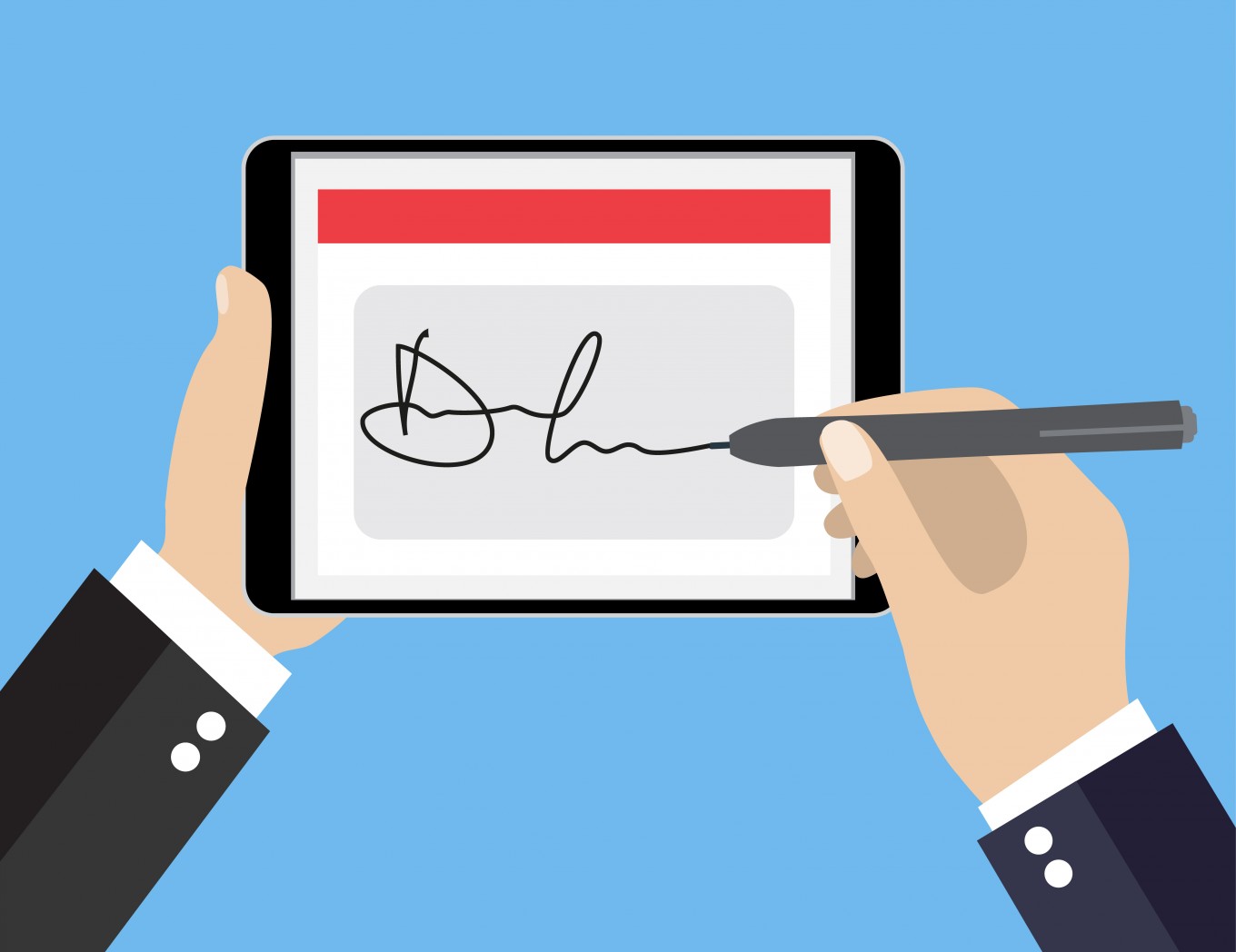
The problem with wet signatures in today’s digital world
Wet signatures are easily forged. As a child, I remember trying to copy my parents’ signatures. Both of which were relatively complex yet easy to do with practice, and both would have held up against scrutiny unless they were put in front of a handwriting expert.
The other issue with wet or hand written signatures on documentation is that there is no way of telling when they were signed, who by and at what time. For example, if I write a cheque today, I could back date it from a week ago, a month ago or even a year ago! Unless you have forensic scientist, who can analyse the ink and paper, which, let’s be honest, is unlikely, and still not a perfect solution, there is no way of knowing when that cheque was actually signed.
The benefits of digital signatures
Digital signatures come with an audit trail detailing when the document was signed, who by and when. Some software also goes far as proving when the document was opened, when it was viewed along with the date it was signed.
It is even possible to identify the location of the signatory by looking a the the printer or the device used to make an electronic signature.
Good digital signature software will provide a comprehensive audit trail both for the signatory and the requesting party. With this in mind, if any disputes arise regarding the authenticity of the signed documents, then the audit trail can be scrutinised. In most countries, this trail will be legally binding and the digital signature will be recognised in a court of law.
At Qaixen, we always try to use digital signatures where possible. Not only is it more environmentally-friendly as it negates the need to physically print a paper document – but it is also much more time efficient – as documents do not have to be printed, scanned, returned, or even posted in the mail in order to obtain a signature.
In this world of hybrid working, combined with a lack of physical presence at the office, digital signatures are a secure way of approving and signing documents fast – they are definitely here to stay.
Would you like to introduce secure digital signatures into your organisation? Contact Qaixen to understand more about digital signatures and how we can help you do this now.